
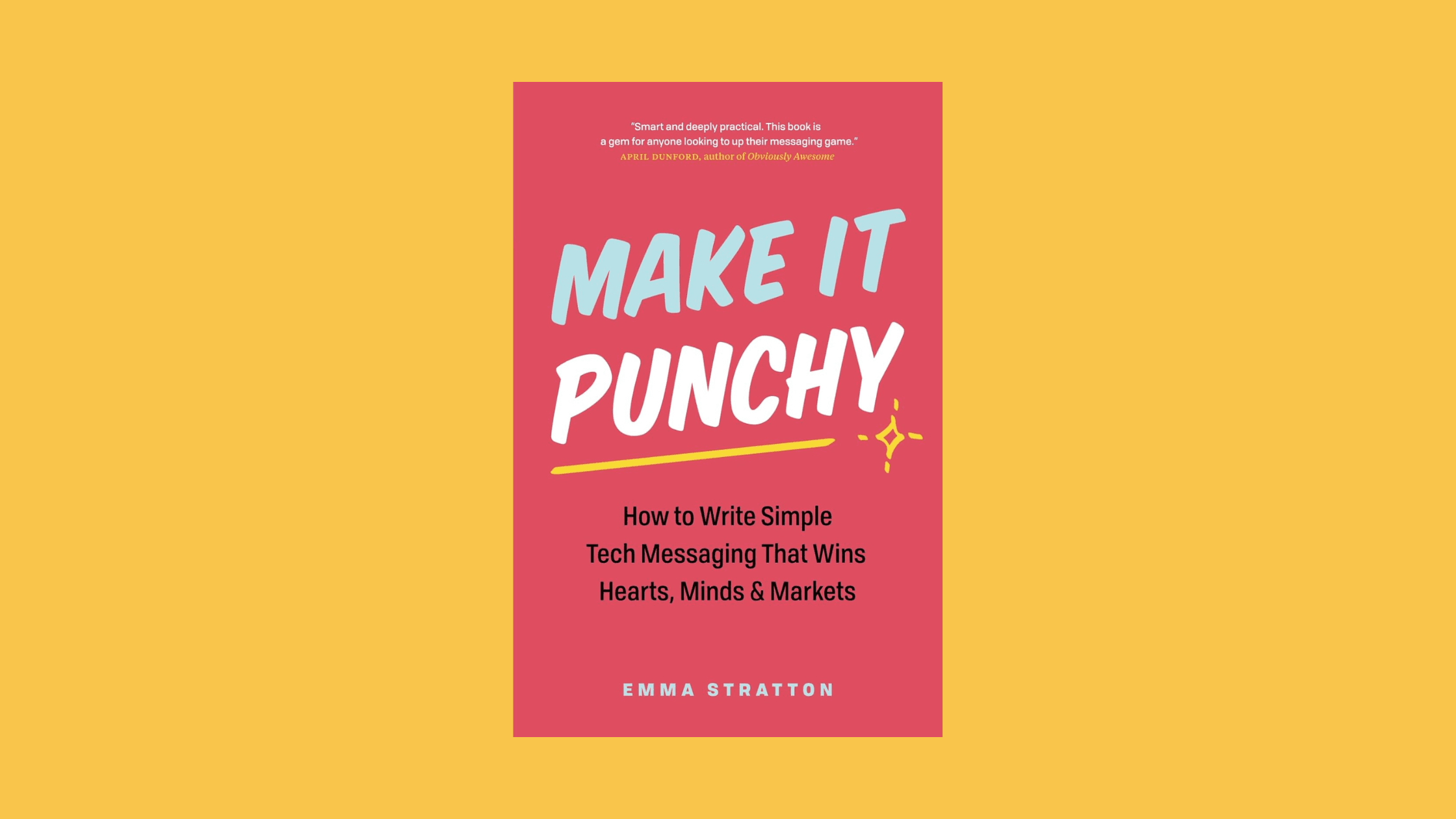
Messaging matters. That’s the premise of Make It Punchy by Emma Stratton, a book that perfectly aligns with my years in marketing, helping businesses speak clearly and connect deeply with their audiences. Every marketer knows this: if your message doesn’t resonate in seconds, you’ve already lost. Here’s what I took away from this read and how it ties to my work with SMEs and startups.
Stratton frames messaging as the bridge between Positioning and Copywriting. Positioning gives you your unique stance; messaging translates it into concepts your audience feels in their gut. Copywriters then use this to tailor content across channels. It’s a workflow I advocate—anchoring everything to a strategy that reflects the customer’s reality.
Messaging, like an outfit, shapes first impressions. If it’s bloated or overly technical, your product or service feels daunting. Clear, tailored messaging, however, builds trust.
The Strategy: Speaking to A+ Customers
One of Stratton’s strongest points is identifying your A+ customers—the ones who rave, return, and recommend. They’re the north star for all messaging efforts. This mirrors what I emphasise in Jobs-to-be-Done interviews: understanding customer motivations at their core. It’s not about what your product does; it’s about what it enables them to achieve.
The outside-in approach Stratton champions—starting with the customer’s problem and working backwards to your solution—is critical. She breaks this into the VBF framework: Value Proposition, Benefits, and Features. It’s simple, yet so many brands miss this by focusing inward.
Take a page from Steve Jobs. His black turtleneck wasn’t just a fashion choice—it was messaging: minimalist, efficient, memorable. Your messaging should convey a similar clarity and purpose.
The Art of Punchy Writing
Stratton’s actionable advice on writing is gold, especially for those of us stuck in competitive markets. Here are the highlights:
1. Map the Message
Without a plan, you’ll write fluff. Stratton’s hierarchy—Value Proposition > Benefits > Features—is a formula I’ve seen transform campaigns. It forces clarity. Each layer feeds the next, building a cohesive narrative.
2. Write Boldly
Short sentences with active verbs carry weight. “Free yourself from boring meetings”. Small tweaks, like swapping “utilise” for “use,” make you sound confident, not pretentious.
3. Kill Jargon
“Revolutionise,” “supercharge,” and “innovate” belong in the corporate bin. This is why I avoid fluff like “redefining excellence” when I can say, “We deliver results that matter.”
4. Paint Pictures
Stratton’s advice to make benefits visual is powerful. “No more switching between five tools to get one job done.” It sticks.
The Emotional Hook: Feel What They Feel
Stratton nails a concept I’ve long practised—empathy in messaging. Customers don’t just have pains; they have visceral, daily struggles. Good messaging doesn’t describe a product; it tells them, “We see you. We can help.”
A great example she gives is turning “Manage your bank balance” into “Take the fear out of checking your bank account.” It’s not just functional—it’s human. This resonates with my positioning crafting: start with the customer’s emotions and back it with functional clarity.
Implementation: Consistency Is Key
Stratton ends with a truth every marketer needs to hear: consistency beats brilliance. Your messaging needs buy-in from sales, marketing, and leadership. I’ve seen startups falter when their teams aren’t aligned on what they stand for. Messaging isn’t just words on a website; it’s the heart of every interaction.
In my work with Unlock Growth, I’ve always stressed this: marketing isn’t about shouting louder; it’s about saying the right thing at the right time. Stratton reinforces that beautifully. This book is your guide if you want to sharpen your messaging and connect faster with your audience.